

Jeffrey Epstein used a former Russian official with links to Moscow’s FSB intelligence services to collect information on a woman he claimed was attempting to blackmail his business associates, according to documents released by the United States Department of Justice.
Epstein reached out to Sergei Belyakov, a former deputy minister of economic development, for advice in 2015 about what he described as an attempt to blackmail a group of “powerful” businessmen in New York, the documents contained in the latest tranche of the so-called Epstein files show.
Recommended Stories
list of 4 itemsend of list
“I need a favor,” Epstein wrote to Belyakov in a July 2015 email, describing an extortion attempt by a Russian woman who had arrived at the Four Seasons Hotel in New York the previous week.
Epstein said the situation was “bad for business for everyone involved” and asked for “suggestions”.
Belyakov, a graduate of the FSB Academy, Moscow’s institute for training intelligence personnel, wrote back that he needed some time to “get information about her” and that he would meet a man who knew the woman the next day.
Several days later, Belyakov sent Epstein a roughly 100-word description of the woman’s background and what the ex-official described as her “sex and escort” business.
“She has nobody behind her,” Belyakov said, adding that she was believed to have “no patronage”.
Belyakov said “business problems” may have led the woman to resort to blackmail, and suggested that denying her entry to the US would be a “real threat” to her business.
Epstein, the FSB Academy graduate and US billionaires
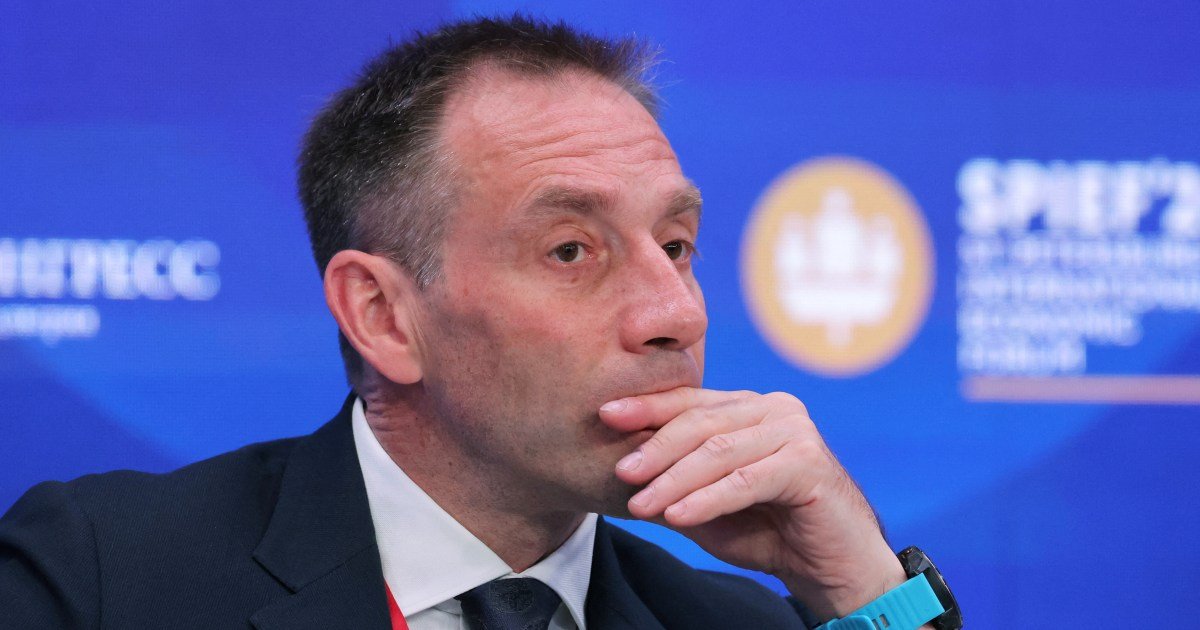
Belyakov, who took up the position of board chairman at the St Petersburg International Economic Forum after leaving the Kremlin in 2014, relied on Epstein for access to high-profile figures in the financier’s orbit, according to the documents.
After a meeting with Epstein in May 2014, Belyakov told the convicted sex offender that he did not know many people who could offer “new horizons and prospects”.
“And I’m looking forward for next meeting with you,” he told Epstein.
In July 2015, Belyakov sought Epstein’s help to organise meetings with American venture capitalist Peter Thiel and the billionaire heir and businessman Thomas Pritzker.
“Sergey – let me know when you are in SF and it would be good to find a time to meet,” Thiel wrote to Belyakov in an email in July 2015, following an introduction by Epstein.
A little over a week later, Belyakov told Epstein that Thiel and Pritzker had shared their views on Russia’s economy and other topics, calling the meetings “very helpful”.
“By the way I was surprised that they had a lot of information about Russian economy and their view about our society,” Belyakov wrote, adding he hoped to see both businessmen again in Moscow.

In 2016, Belyakov sought Epstein’s feedback on proposals he wished to discuss with business leaders in the US.
Epstein told Belyakov he liked the idea, which was not specified in the emails, but that he should get a “good English speaking editor” before sharing business proposals, and there were “pretty women” who could fill the role.
Efforts by Al Jazeera to contact Belyakov, including through the St Petersburg International Economic Forum and the e-commerce company Ozon, where he served as managing director from 2021 to 2024, were unsuccessful.
Thiel’s foundation did not respond to a request for comment. Pritzker declined to comment through a spokesperson for his foundation.
Epstein also sought to arrange meetings with Russian President Vladimir Putin and Foreign Minister Sergey Lavrov, according to the documents, though there is no indication he was successful.
“I think you might suggest to putin, that lavrov, can get insight on talking to me,” Epstein wrote in an email to former Norwegian Prime Minister Thorbjorn Jagland in June 2018.
Jagland, who is under investigation in Norway on suspicion of corruption in his dealings with Epstein, wrote back that he would “suggest” the idea to Lavrov’s assistant.
Epstein, who died in 2019 while in prison awaiting trial on sex trafficking charges, has long been the focus of speculation that he worked for or with intelligence agencies on behalf of various countries, including Israel.
He had close ties with former Israeli Prime Minister Ehud Barak during his lifetime, with the two men exploring numerous business ventures and regularly exchanging correspondence on personal matters.
Barak’s former aide Yoni Koren, an ex-Israeli military intelligence officer who died in 2023, also stayed at residences belonging to Epstein for long stretches while receiving cancer treatment in the US in the late 2010s.