

The two-time defending champions again made the ultimate splash(es) this offseason, while some other top teams kept us guessing for the majority of the cold season. Meanwhile, a surprising number of would-be contenders appear content with mediocrity.
Outside any last-minute developments, the time for your favorite team to make vital moves is in the rearview mirror. Now that rosters are complete, there are players and clubs that stood out, for better or worse, this winter.
Before spring training games get underway, let’s look back and evaluate the winners and losers of this MLB offseason.
Winner: Los Angeles Dodgers
(Photo by Keith Birmingham/MediaNews Group/Pasadena Star-News via Getty Images)
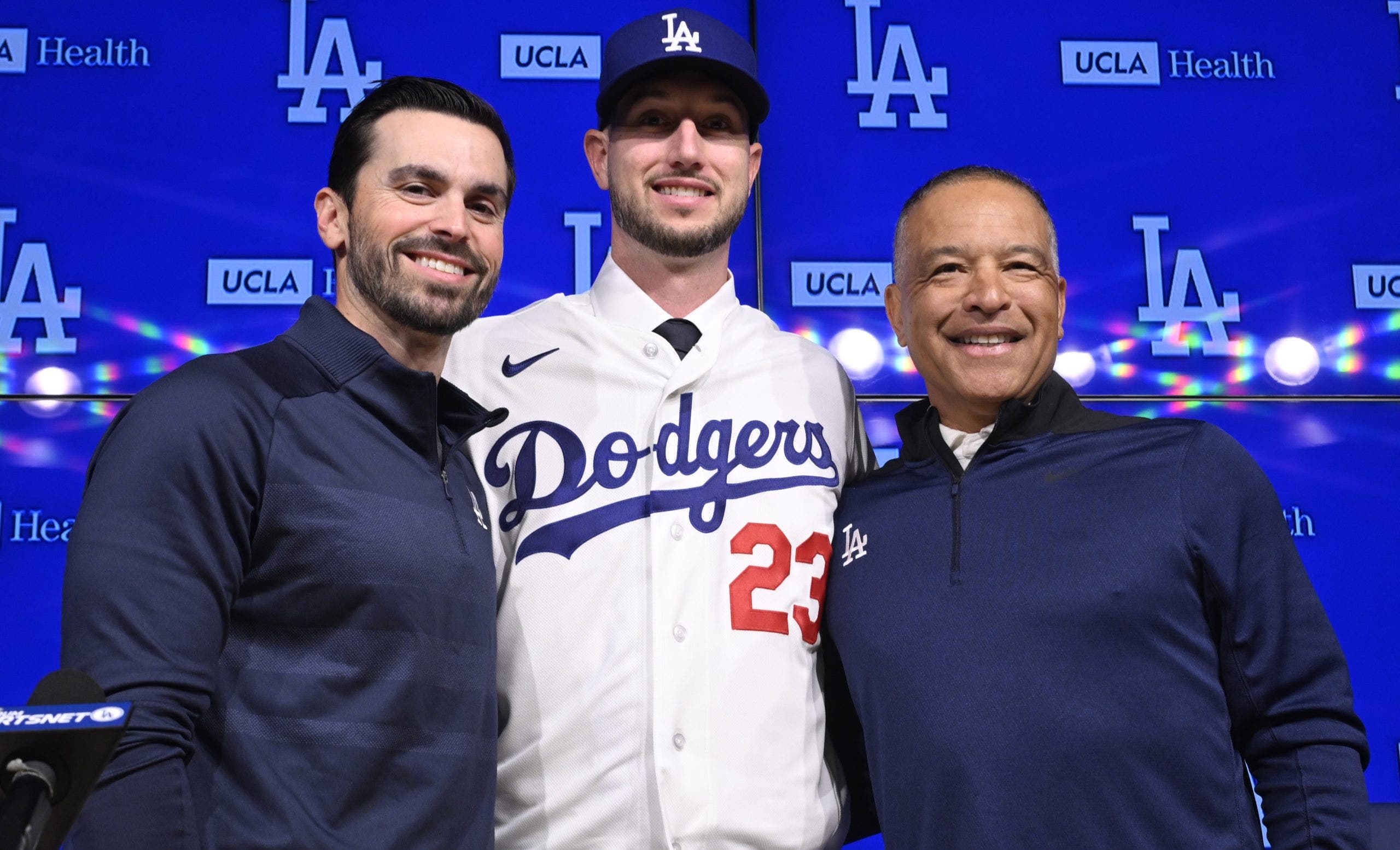
The Dodgers, winners of the last two championships and every offseason of late, delivered again this winter when they snagged shutdown closer Edwin Diaz on a three-year, $69 million pact. Nobody saw that one coming, least of all his former team, the Mets.
Early in the offseason, Los Angeles addressed its only real flaw by bolstering the bullpen with one of the game’s best closers. The Dodgers didn’t even need to execute the blockbuster signing of Kyle Tucker to have a winning offseason. (See: their star-studded, back-to-back championship roster.)
Tucker and Diaz became the latest top free-agent players of the offseason to land in Hollywood, joining Shohei Ohtani, Yoshinobu Yamamoto and Blake Snell as the Dodgers’ recent winter splashes. Rocking a $400 million-plus payroll, they are the overwhelming favorites to win the World Series in 2026.
Loser: Houston Astros
(Photo by Houston Astros/Getty Images)
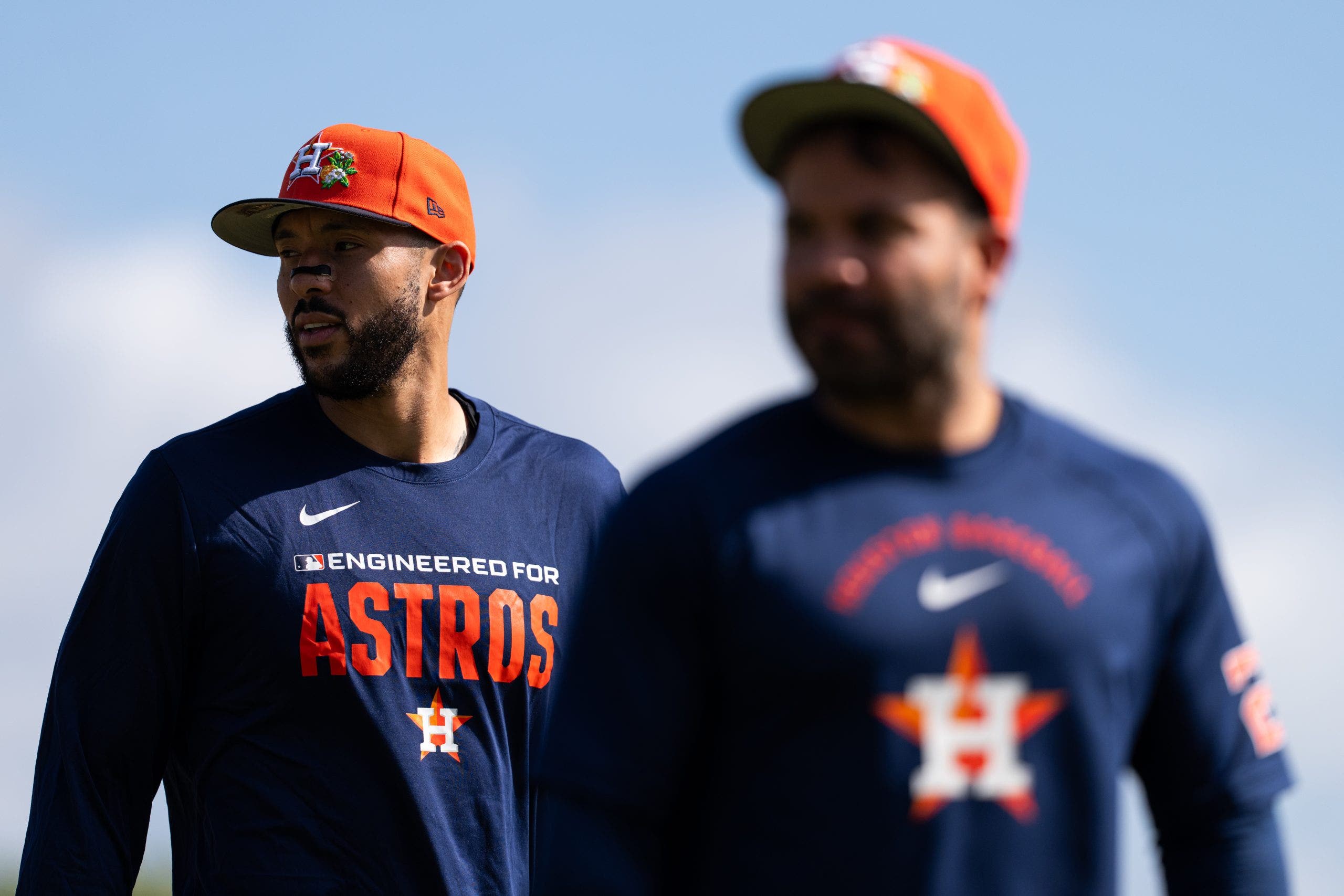
The Astros missed the postseason last year for the first time since 2016, and they enter 2026 having failed to significantly improve that roster. Houston finished last season with 87 wins, and FanGraphs projects it to take a step back this year with 81.
The ‘Stros entered spring training with an awkward position-player group that has forced Isaac Paredes to be the odd man out. Carlos Correa is back at third base, Jose Altuve is manning second, Jeremy Pena is in the dirt at short, Christian Walker is at first, and Yordan Alvarez is DH. Either Paredes or Walker could be traded before Opening Day, but even if a deal materializes, Houston will need an All-Star caliber outfielder to significantly change its outlook for the season.
At the very least, the Astros reinforced their starting rotation by winning the Tatsuya Imai sweepstakes, one of the top international pitchers on the market. But that’s likely not enough to fill the hole Framber Valdez left behind. It was a strange and flat offseason for an Astros club trying to get back into the October dance.
Winner: Tigers ace Tarik Skubal

(Photo by Nick Cammett/Diamond Images via Getty Images)
Baseball’s best pitcher, Skubal found himself in a unique position in his final year of arbitration with the Tigers. With over five years of service time and back-to-back Cy Young awards under his belt, Skubal was able to compare himself to any major-league pitcher in his prime rather than limit his field to arbitration-only players. He walked away from his hearings with a $32 million salary for 2026, breaking the salary record for a player in the arbitration system.
Skubal and his agent, Scott Boras, pushed the boundaries of the system and, in a way, set the market for everyone else. Few players, if any, will come close to matching Skubal’s talent and service time to use his case as precedent in future hearings. But it was a huge victory for Skubal, who dramatically raised his ceiling ahead of his free agency.
Loser: San Diego Padres
(Photo by Meg McLaughlin / The San Diego Union-Tribune via Getty Images)
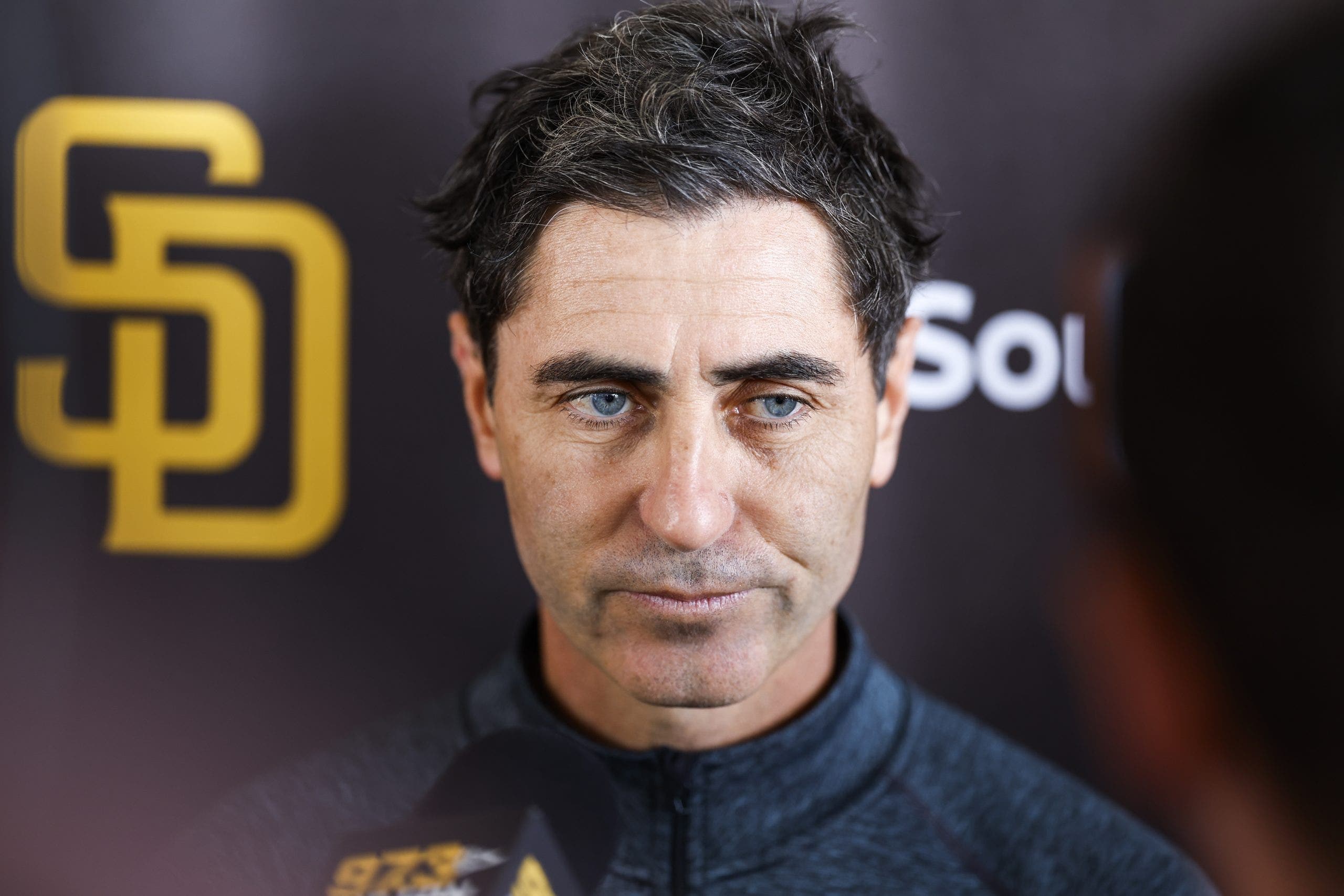
Sure, the Padres’ spending is handcuffed due to large player salaries and a potential franchise sale, but we were expecting something to address the losses of All-Stars Dylan Cease, Robert Suarez, Luis Arraez and Ryan O’Hearn. Even though right-hander Michael King returned to San Diego’s rotation, its starting pitching staff without Cease and Yu Darvish is projected by FanGraphs to be in the league’s basement.
The Padres didn’t add elite talent or pitching depth this offseason, weakening their previously strong bullpen. And for a lineup that ranked 28th in home runs last year, no top-tier slugging additions were made to try and improve that position. Their current stars are aging and declining, and without real upgrades and reinforcements, this Padres season could very well be a car crash in slow motion.
Winner: Chicago Cubs
(Photo by Matt Dirksen/Chicago Cubs/Getty Images)
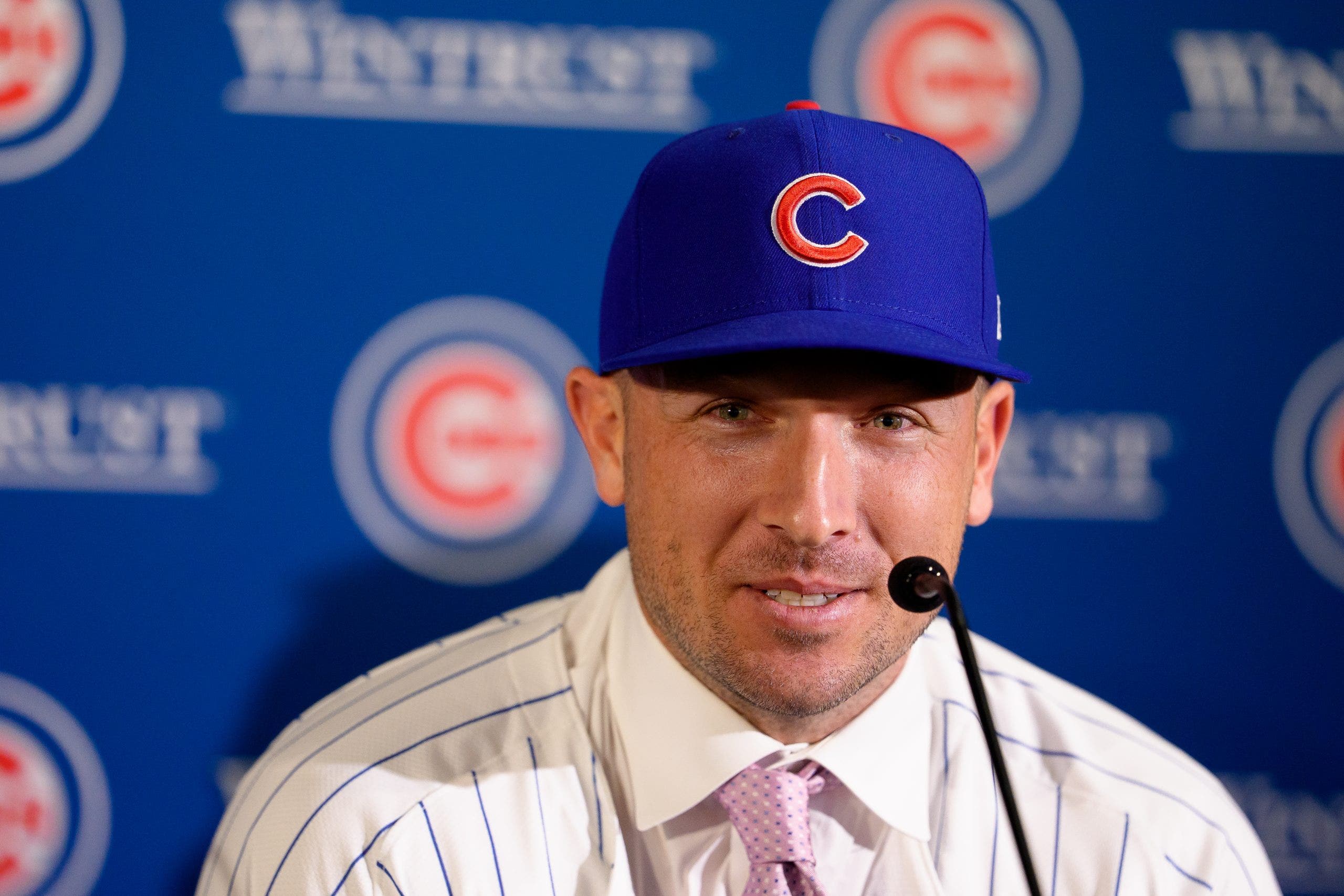
The Cubs responded aggressively in the wake of Tucker’s departure, signing third baseman Alex Bregman to the third-largest contract in the organization’s history. Bregman’s five-year, $175 million deal was a game changer in Wrigleyville. The big-market Cubs finally flexed their financial might in free agency, and it has boosted their chances of having one of the most successful seasons in the league this year. PECOTA has the Cubs, Braves and Mets essentially tied for the second-best record in the National League.
FanGraphs is not as high on Chicago’s rotation, which is projected to rank 19th in MLB with a group consisting of Shota Imanaga, Edward Cabrera, Matthew Boyd, Jameson Taillon and Cade Horton. The Cubs are hoping their strong lineup can outweigh any concerns about whether they did enough to upgrade the pitching staff.
Winner(ish): Toronto Blue Jays
(Photo by Sean M. Haffey/Getty Images)
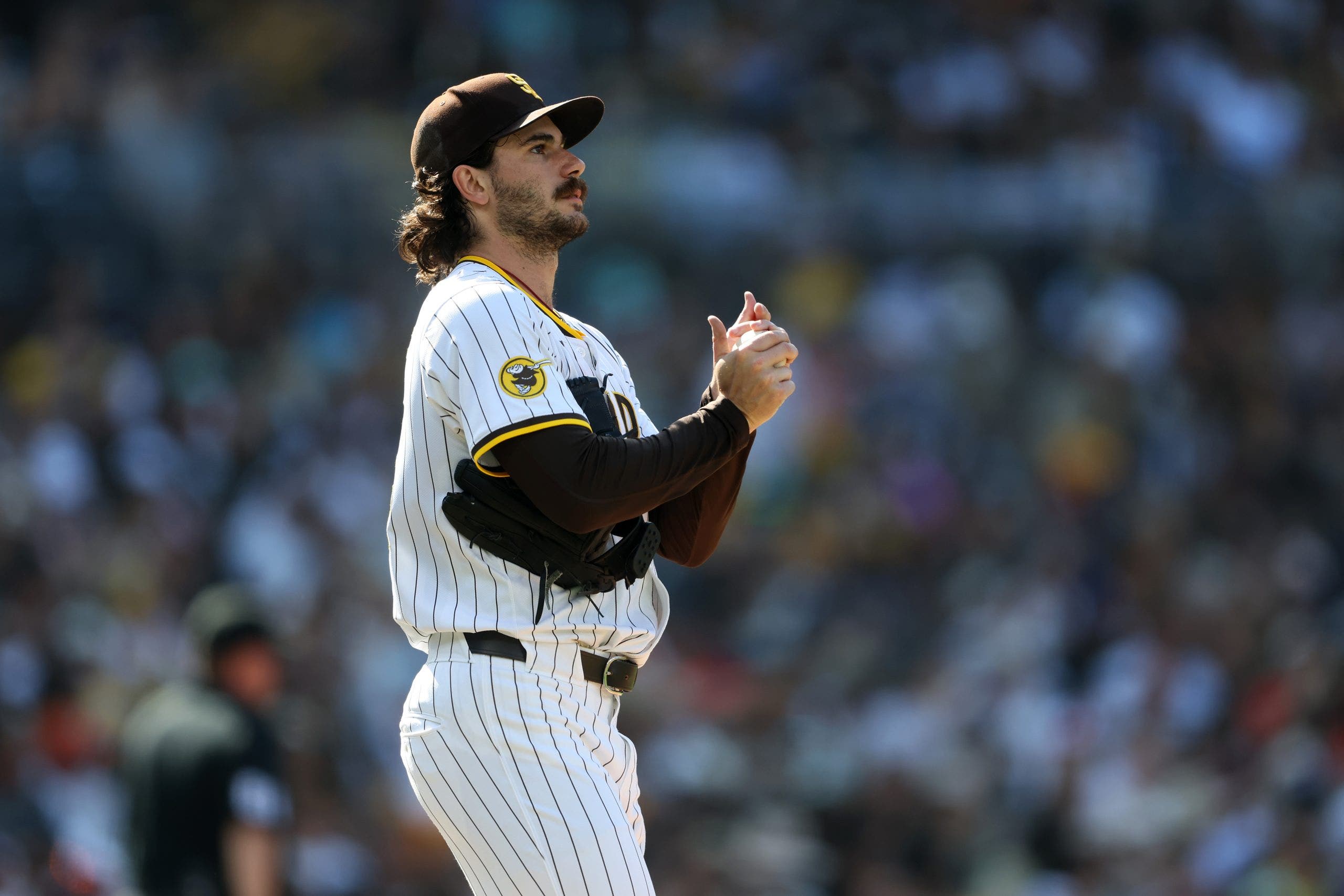
The Blue Jays looked like an early winner of the winter when they jumped the market and signed right-hander Dylan Cease, the top starter available, to a massive seven-year, $210 million contract that marked the largest free-agent deal in franchise history. Cease, Kevin Gausman, Trey Yesavage, Cody Ponce and Shane Bieber (when he returns from a forearm injury) will give the Jays one of the best rotations in baseball.
But the reason Toronto isn’t a clear-cut winner is due to its lineup, which is objectively worse today than it was during Game 7 of the World Series. The Jays hoped to land Tucker, but were bridesmaids again for the top free agent of the class, and they were bizarrely not interested in bringing back homegrown second baseman Bo Bichette. Without a replacement for Bichette, the Blue Jays offense will be weaker than it has been in previous years, putting a damper on an otherwise solid offseason.
Loser: Milwaukee Brewers
(Photo by Aaron Gash/MLB Photos via Getty Images)
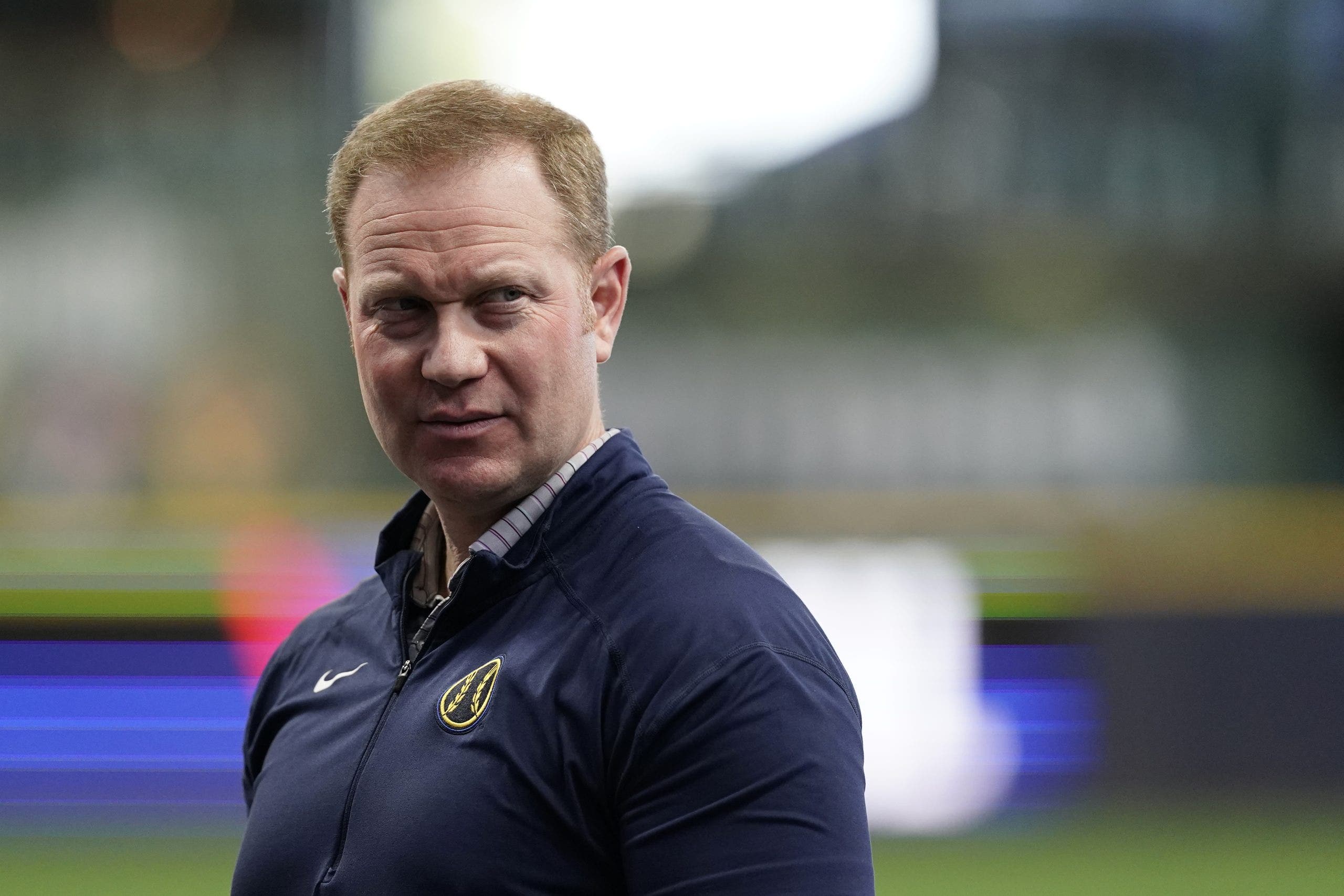
The Brewers’ complete refusal to even dabble in free agency, let alone be players, was disappointing. They enter the year representing the only team in MLB that distributed zero — none, zilch! — major-league deals this offseason.
Right-hander Brandon Woodruff agreeing to a one-year, qualifying offer was the only money Milwaukee spent in free agency on major-league acquisitions. Woodruff is now the team ace, but he’s not a replacement for Peralta.
The Brewers did make some trades that could be beneficial as soon as this year, with former Mets right-hander Brandon Sproat and infielder/outfielder Jett Williams headlining that list. The Brew Crew is far from doomed in the NL Central, but it was unfortunate to see Milwaukee refrain from spending when other smaller-market teams at least dipped their toes in free agency.
Winner: Pete Alonso and the Baltimore Orioles
(Lloyd Fox/Baltimore Sun/Tribune News Service via Getty Images)
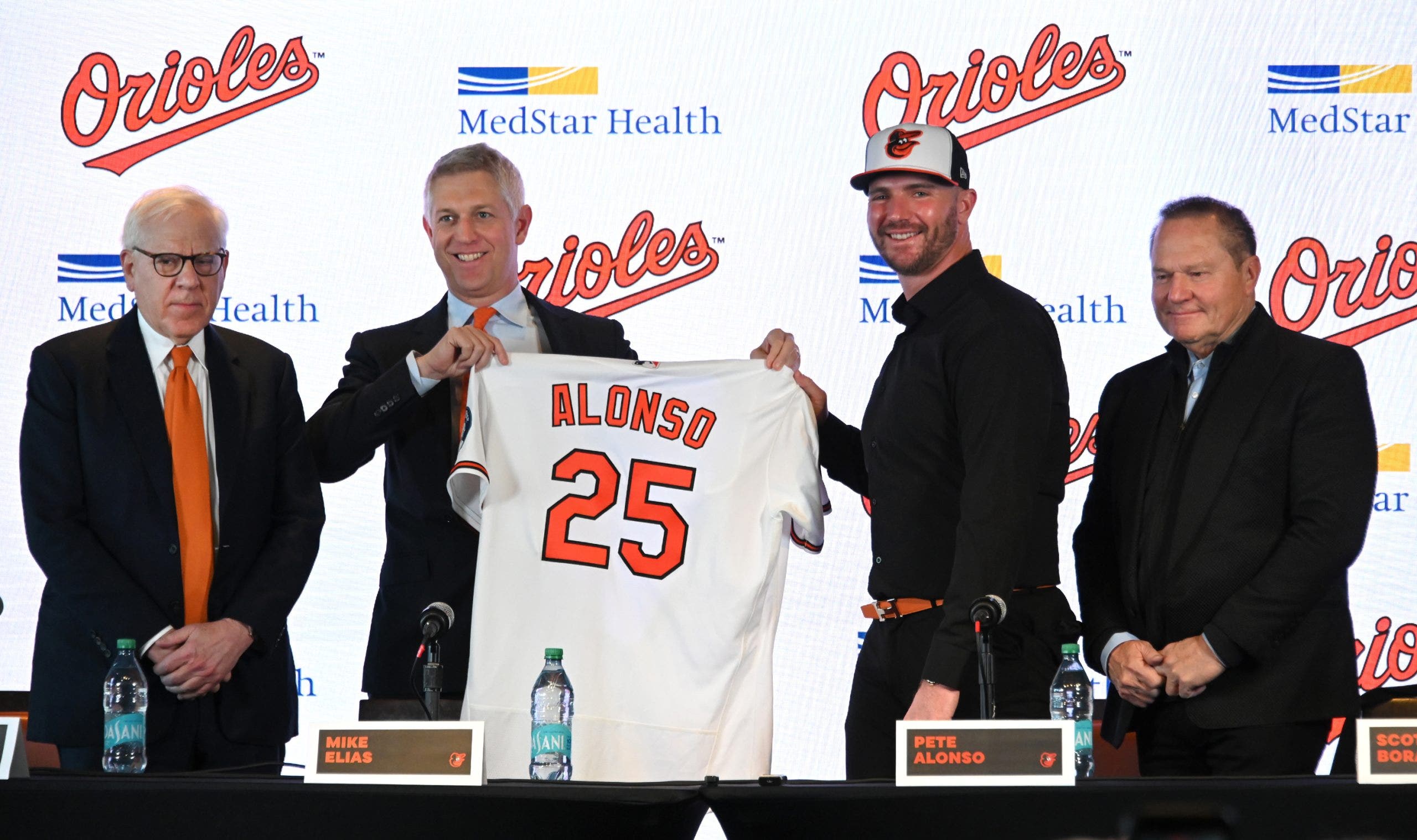
At long last, the Orioles remembered they can spend money on top-tier free agents. Adding first baseman Pete Alonso to stabilize a young lineup was smart, and the O’s were overdue on bringing a right-handed slugger with elite power to Camden Yards. More than Baltimore, which goes into the season without a true ace in the rotation, Alonso is the real winner here.
New York’s former Polar Bear achieved his goal of landing a long-term deal (five years, $155 million) and playing for a contender. The Mets have remained steadfast in saying the market was thin for Alonso, and the first baseman still managed to secure a lucrative contract that takes him through his age-35 season. The O’s are immediately projected into the realm of World Series contenders, even if they likely didn’t do enough to bolster their rotation.
Loser: Corner infielder Munetaka Murakami
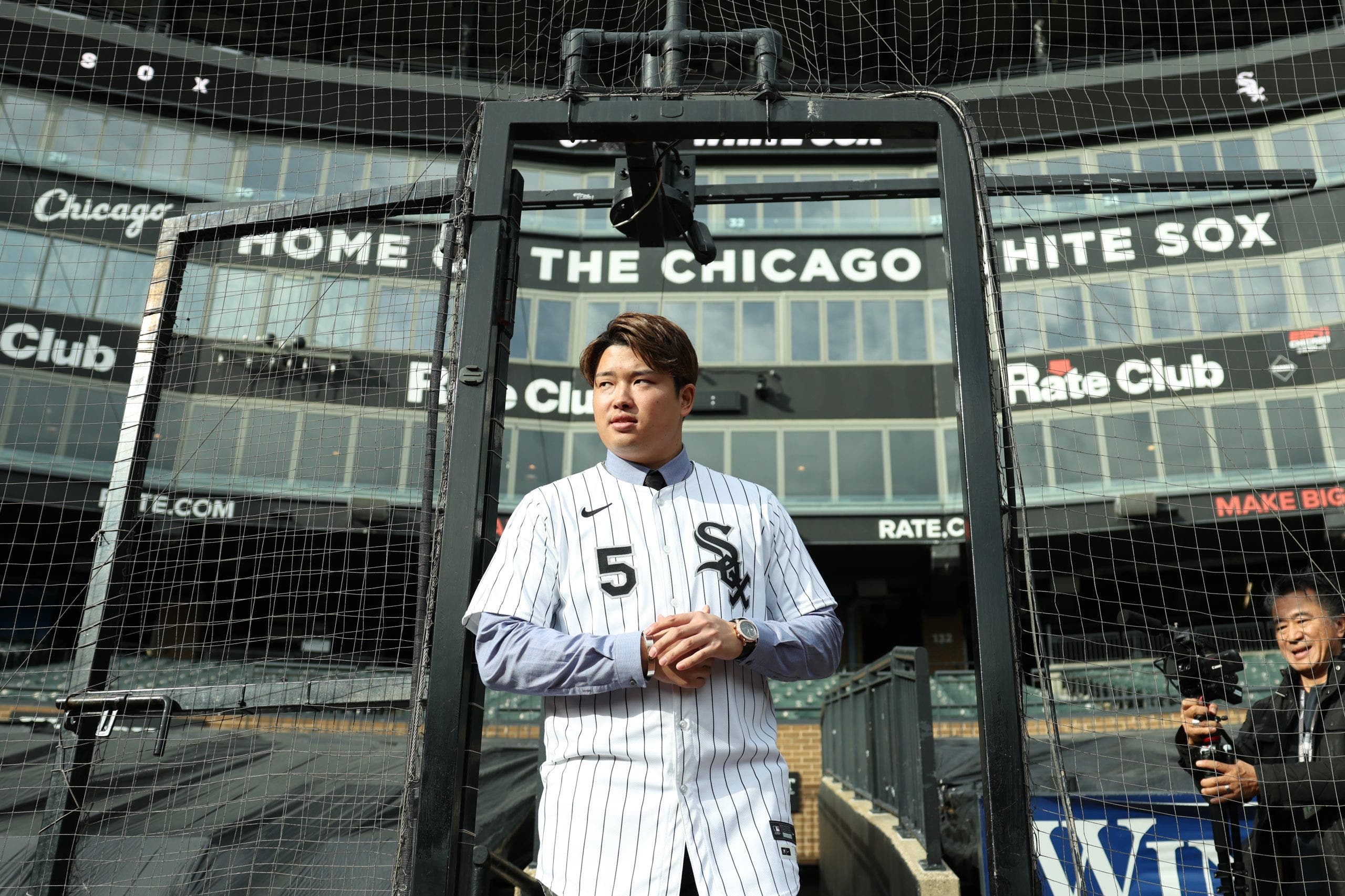
(Photo by Geoff Stellfox/Getty Images)
The Japanese star signed extremely far below expectations when he agreed to a two-year, $34 million deal with the White Sox this offseason. Murakami, 26, was considered the best international talent available, with his contract projected to be north of $150 million on a long-term deal.
Instead, any team could’ve signed Murakami at that annual salary of $17 million, even the Angels or — gasp — the Rays. But it was particularly perplexing why top contenders didn’t get involved in Murakami’s prove-it deal, given that he was being hailed as the next Japanese phenom to take his incredible power bat to the States.
Murakami possesses elite power (he broke the NPB record by hitting 56 home runs in 2022), but he also has a concerning swing-and-miss rate. His high strikeout clip against NPB arms was obviously concerning enough that no contender wanted to make the splash. It all amounted to a disappointing pay day for Murakami — unless he can reset his market with a couple of strong years on the South Side.
Maybe a Winner: New York Mets

(Photo by Ishika Samant/Getty Images)
This was a stunning execution of a complete roster turnover from Mets president of baseball operations David Stearns. After cutting ties with four longtime players (Alonso, Brandon Nimmo, Diaz and Jeff McNeil), it’s astonishing that the Mets are now right up there with the Braves and Cubs, projected to finish the season with the second-best NL record behind the Dodgers.
The splashy additions of Bichette and infielder Jorge Polanco add average and power to a lineup that parted ways with its franchise home-run leader in Alonso. Right-hander Freddy Peralta, acquired via trade with the Brewers, gives the Mets their first ace since Jacob deGrom. But replacing Diaz with closer Devin Williams is a downgrade, and concerns persist regarding the new-look infield.
Second baseman Marcus Semien is a defensive upgrade over McNeil, but at 35, his offensive production is not expected to be noteworthy. Former White Sox center fielder Luis Robert Jr. is a low-risk, high-reward acquisition if he’s able to stay healthy.
There’s a lot of potential on this Mets roster, and they could be winners, but their question marks carry weight going into 2026.
Loser(ish): New York Yankees
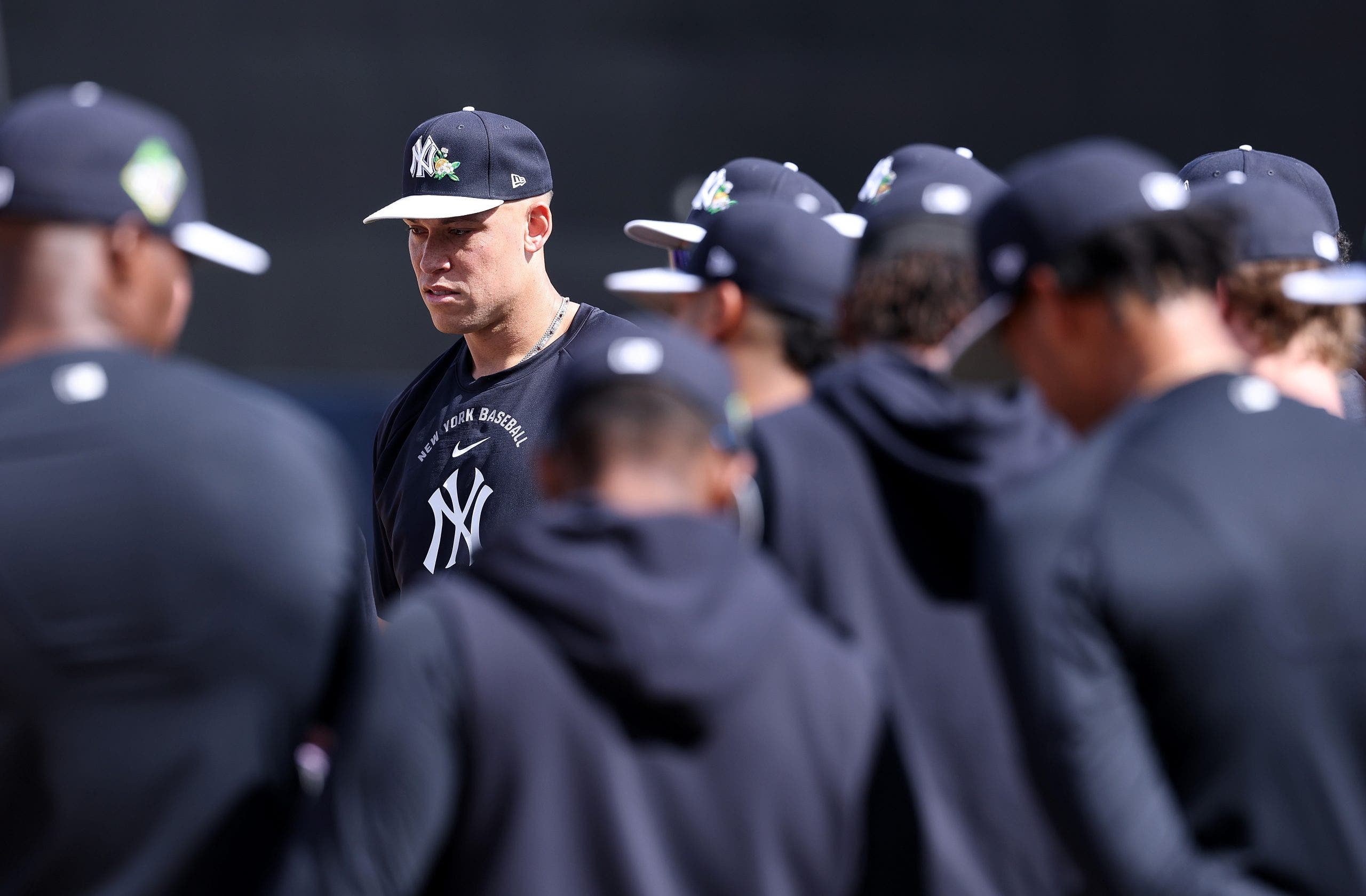
(Photo by Kevin C. Cox/Getty Images)
“Man, we’re the New York Yankees,” Aaron Judge thought as his front office sat on its hands and watched top free agents fly off the board earlier in the offseason. Judge was eager for the Yankees to re-sign outfielder Cody Bellinger, which they eventually did in January. That was their biggest and most significant move of the winter.
Bellinger is a perfect fit in the Bronx after he finished second in team WAR behind only Judge last year. Making sure he stayed in pinstripes was important. The Yankees were excellent last season even after losing Juan Soto to the Mets and Gerrit Cole to Tommy John surgery. Getting Cole back around May-June will be huge, but it’s fair to question whether running back the same roster will be enough to win their first championship since 2009. It’s not that the Yankees aren’t strong. In fact, FanGraphs has them projected to win the division with around 87 wins.
But since we’re strictly grading offseason moves, their inactivity with so much top talent available was underwhelming. There’s an argument that the front office should be doing more while Judge, 34, is in the final years of his prime.