

More money than ever has been left over in the public finances due to more tax being paid, official figures show.
January had the biggest budget surplus since records began in 1993, according to data from the Office for National Statistics (ONS).
It meant the government received more money than it spent last month, leaving £30.4bn left over.
It’s £15.9bn more than the surplus in January 2025, though the figures are not adjusted for inflation.
The surplus is even higher than anticipated by independent forecasters, the Office for Budget Responsibility (OBR), about £6.3bn bigger.
Why?
While there was little change in government spending, the highest-ever recorded surplus resulted from revenue being “strongly up” and lower interest rates, the ONS said.
Lower interest rates have meant borrowing money costs less.
The cost of borrowing was £1.5bn in the month, £5bn lower than the time last year.
A relief for Reeves
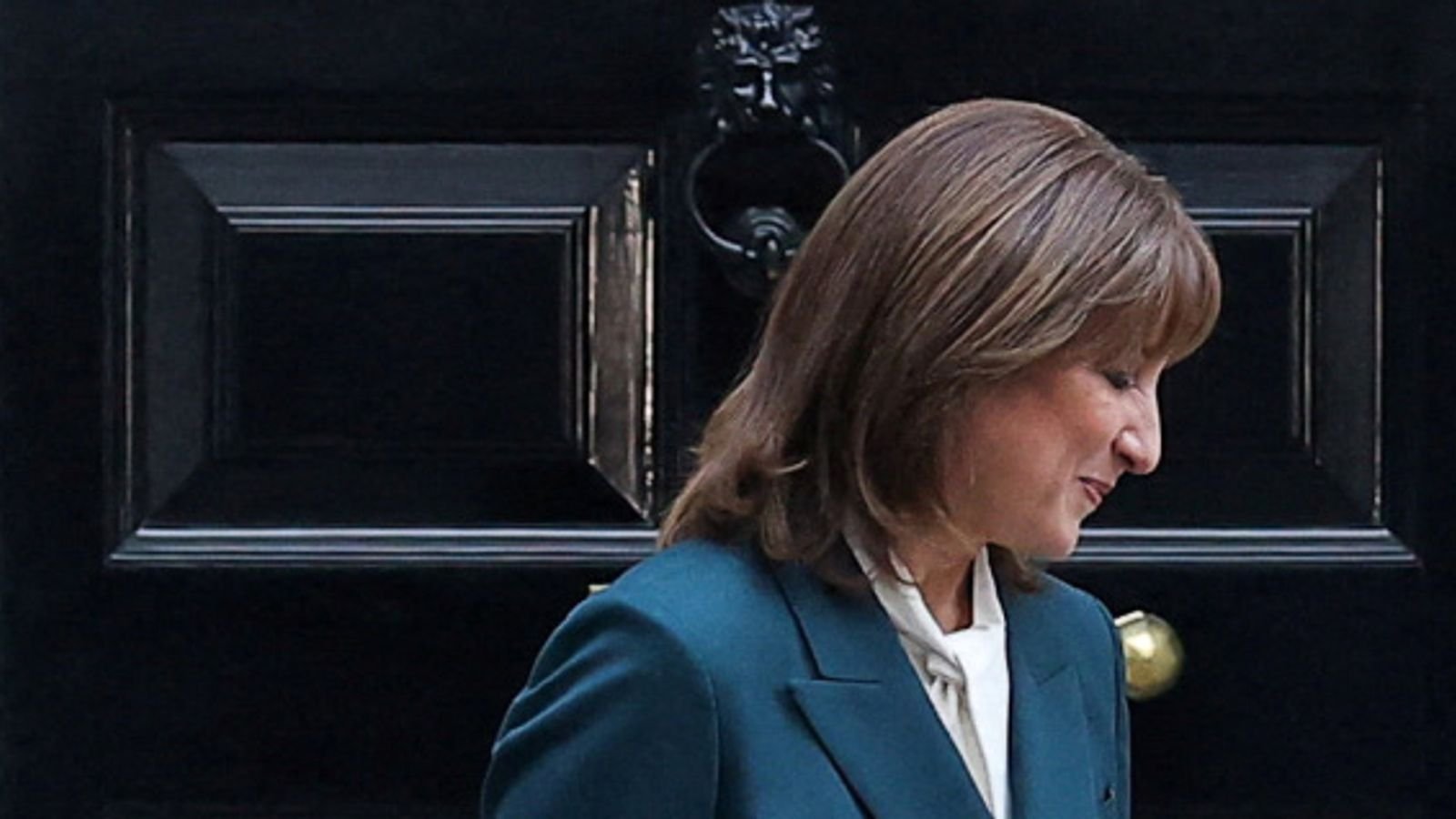
It’s been described as a “welcome relief” and “good news” for the Chancellor Rachel Reeves by analysts from Big Four accounting firm PWC and economic research firm Pantheon Macroeconomics.
“This decline eases immediate pressure on the public finances”, PWC’s economist Nabil Taleb said.
Paying more on debt can mean public finances are more exposed to economic shocks.
Good news for the economy also came in the form of retail sales, which recorded a far better than expected January.
The total volume of retail sales, which measures the quantity bought, increased by 1.8% last month, the ONS said.
Retail sales figures matter as they measure household consumption, the largest expenditure in the UK economy.
This breaking news story is being updated and more details will be published shortly.
Please refresh the page for the latest version.
You can receive breaking news alerts on a smartphone or tablet via the Sky News app. You can also follow us on WhatsApp and subscribe to our YouTube channel to keep up with the latest news.