

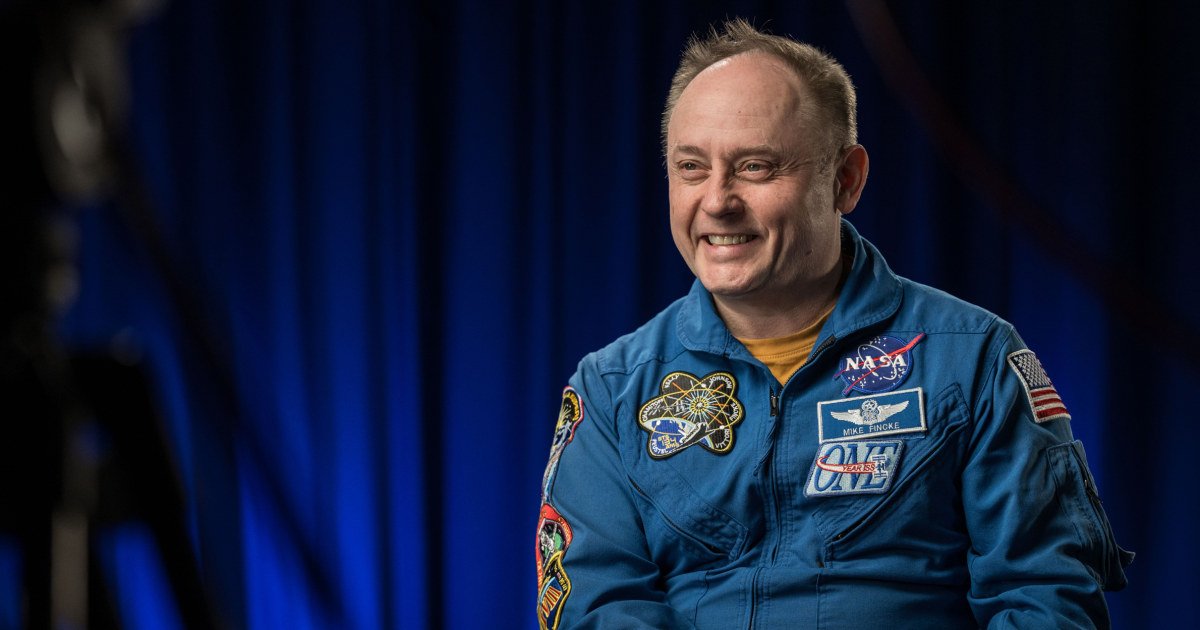
Fincke, Cardman, Yui and Platonov had been living and working aboard the International Space Station since early August and were originally expected to stay at the orbiting outpost until late February.
Instead, top NASA officials and the agency’s chief health and medical officer opted to bring the astronauts back to Earth a week after the incident occurred.
“After further evaluation, NASA determined the safest course was an early return for Crew-11 — not an emergency, but a carefully coordinated plan to be able to take advantage of advanced medical imaging not available on the space station,” Fincke said in the statement.
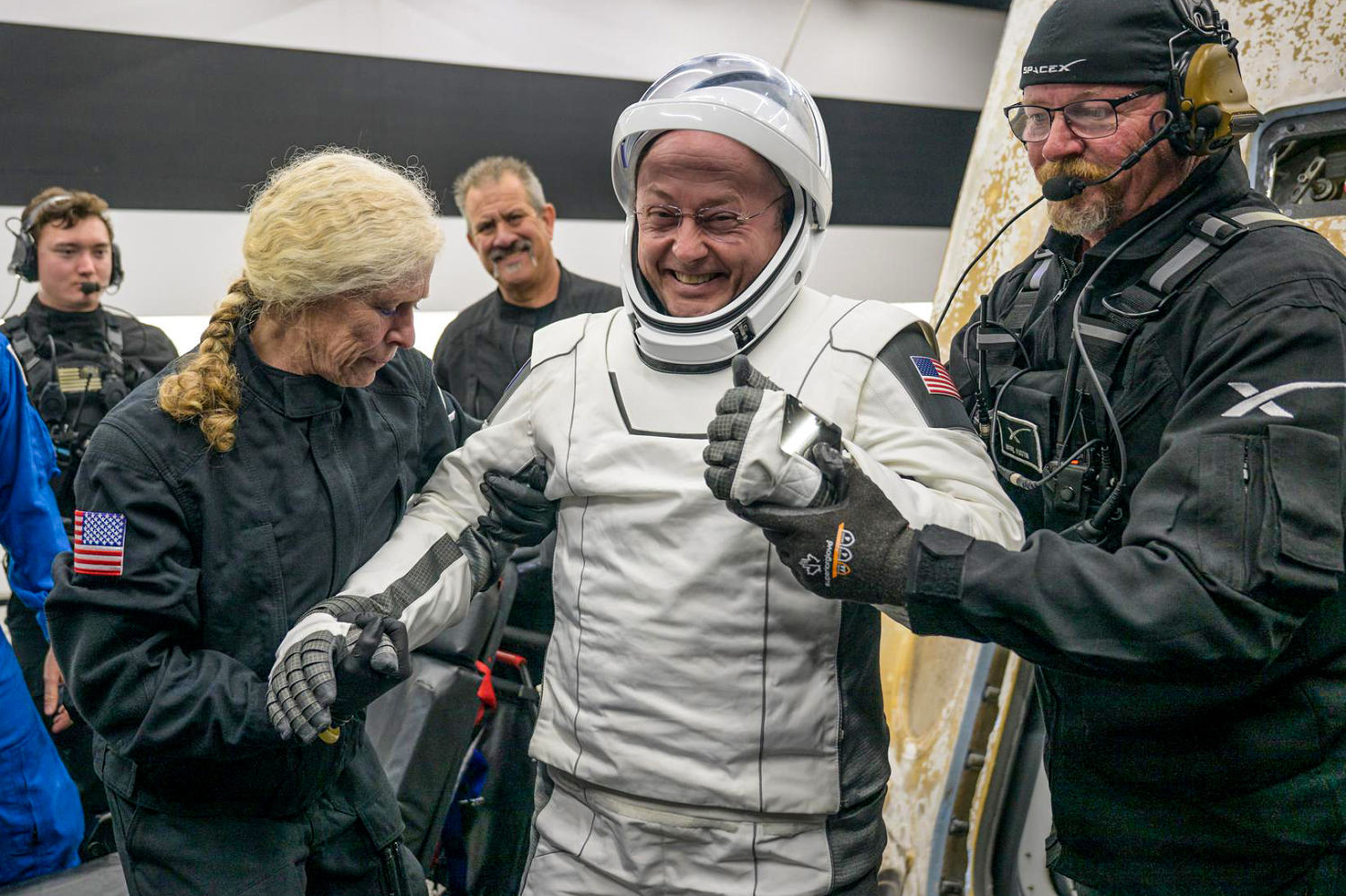
The four Crew-11 astronauts departed the space station on Jan. 14, undocking from the ISS in the same SpaceX Dragon capsule that they flew to the space station. After a nearly 11-hour journey, the capsule splashed down in the Pacific Ocean, off the coast of San Diego, in the early morning hours of Jan. 15.
In a post-landing news briefing, NASA Administrator Jared Isaacman said it was a “serious situation” in orbit, but added that the crew member in question had been safe and stable ever since.
In his statement, Fincke thanked his Crew-11 colleagues, along with NASA astronaut Chris Williams and Russian cosmonauts Sergey Kud-Sverchkov and Sergei Mikaev, who were also aboard the space station at the time and are still in space. Fincke also thanked the teams at NASA, SpaceX and the medical professionals at Scripps Memorial Hospital La Jolla.
“Their professionalism and dedication ensured a positive outcome,” he said.
Fincke ended his statement by saying he is “doing very well” and still actively involved with standard post-flight reconditioning at NASA’s Johnson Space Center in Houston.
“Spaceflight is an incredible privilege, and sometimes it reminds us just how human we are,” he said. “Thank you for all your support.”